MSR Stove — Camping Stoves
MSR Stove: Engineered for Mountaineers, Explorers, and Backcountry Adventurers
Since 1969, MSR has been the trusted name for outdoor enthusiasts who demand reliability when conditions turn extreme. Founded in Seattle by engineer Larry Penberthy, the brand was born from a simple mission — to solve real problems faced by climbers and backcountry travelers through rigorous scientific innovation. Every MSR stove represents decades of field testing in the harshest environments on Earth, from Himalayan base camps to Arctic expeditions.
The core audience for MSR stoves includes thru-hikers tackling months-long trails, alpine climbers pushing toward summits where weather windows close rapidly, and expedition leaders responsible for keeping teams fueled and safe in remote wilderness. These users share a common requirement: gear that performs flawlessly when failure means more than inconvenience. Mountain guides building their reputations on client safety choose MSR because the engineering stands up to professional scrutiny.
Whether melting snow at 20,000 feet or boiling water for a quick trailside meal, MSR stove systems deliver consistent heat output regardless of altitude, temperature, or wind. The brand serves adventurers who understand that a reliable cooking system is essential gear, not an afterthought. For those who venture beyond established trails and comfortable conditions, MSR provides the confidence to focus on the journey rather than worrying about equipment failure.
From Ultralight Canisters to Expedition-Ready Liquid Fuel Systems
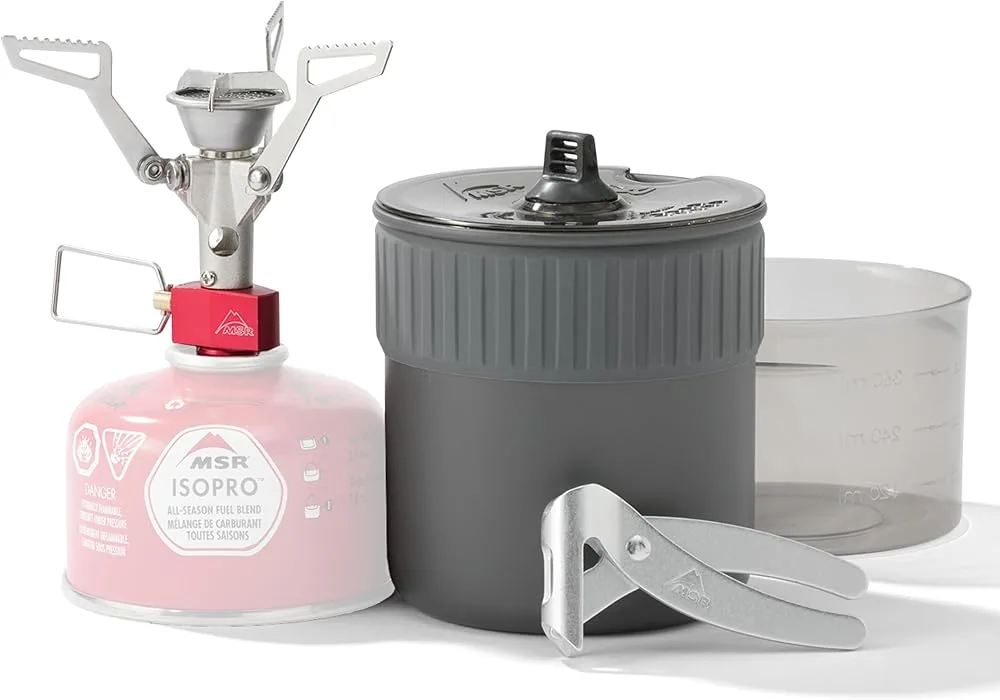
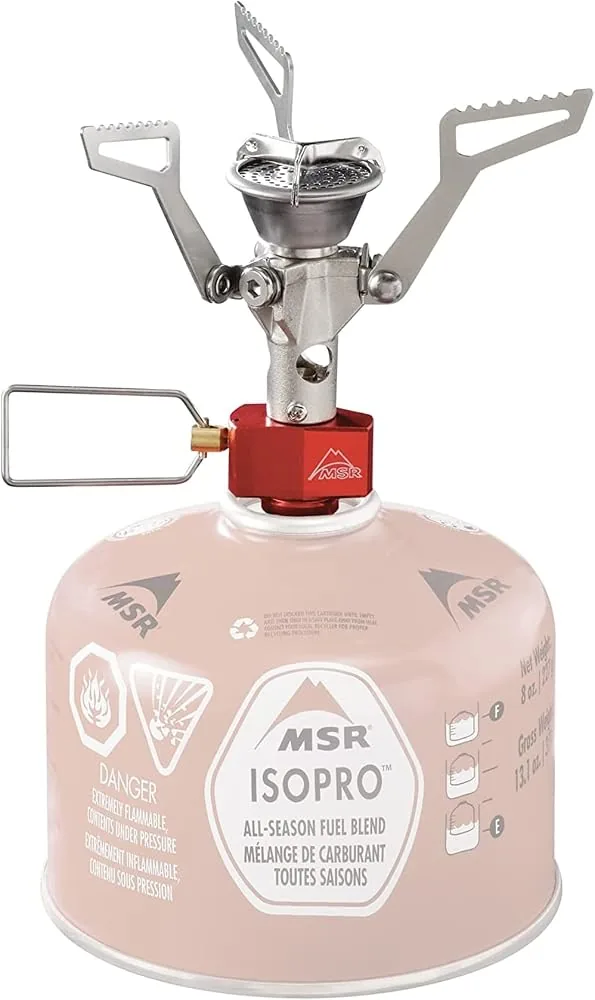
The product lineup spans four distinct categories designed to match specific adventure requirements. Canister stoves represent the ultralight end of the spectrum, with models weighing as little as 2.6 ounces that appeal to gram-conscious backpackers and fast-and-light alpinists. These units use isobutane/propane fuel for instant ignition and precise flame control, making them ideal for quick boiling and simple meal preparation.
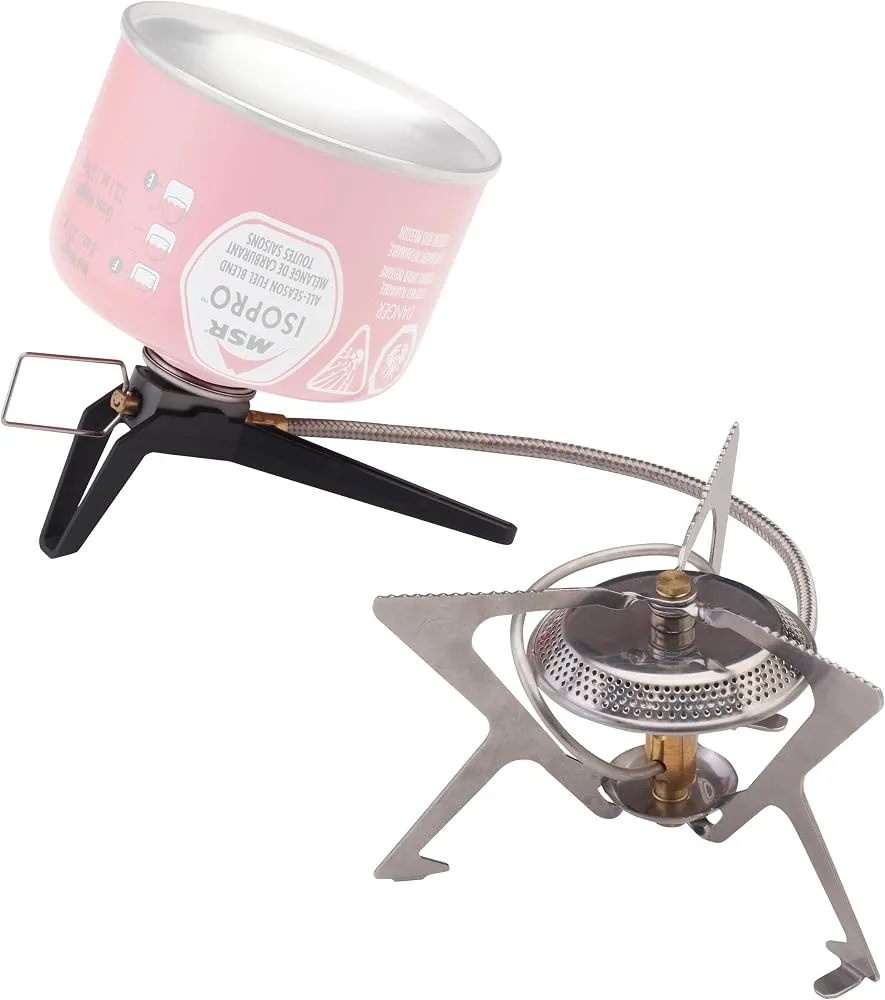
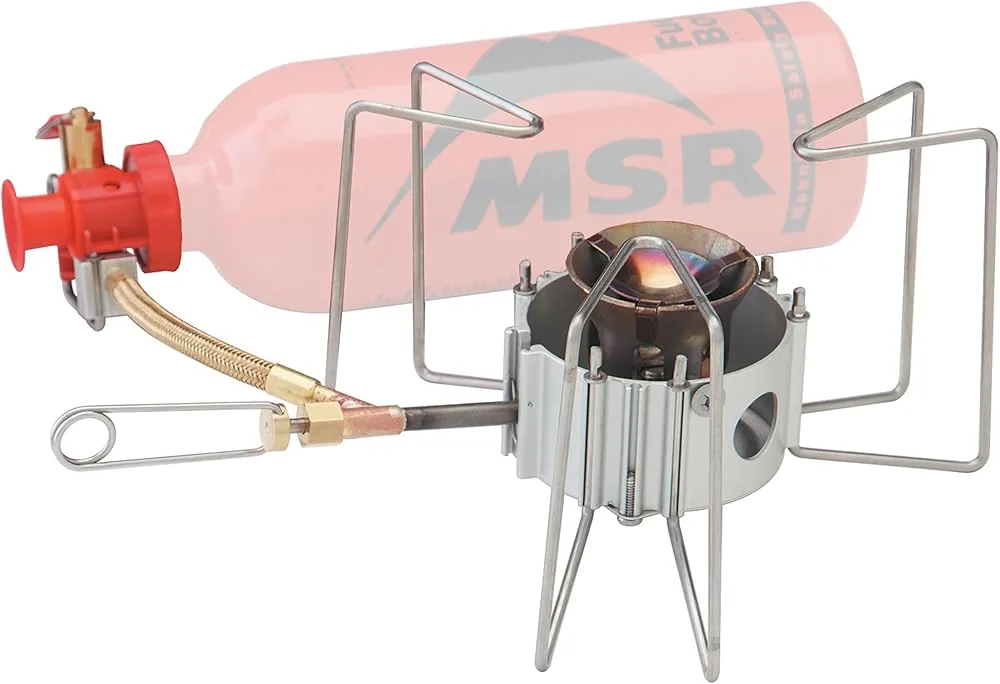
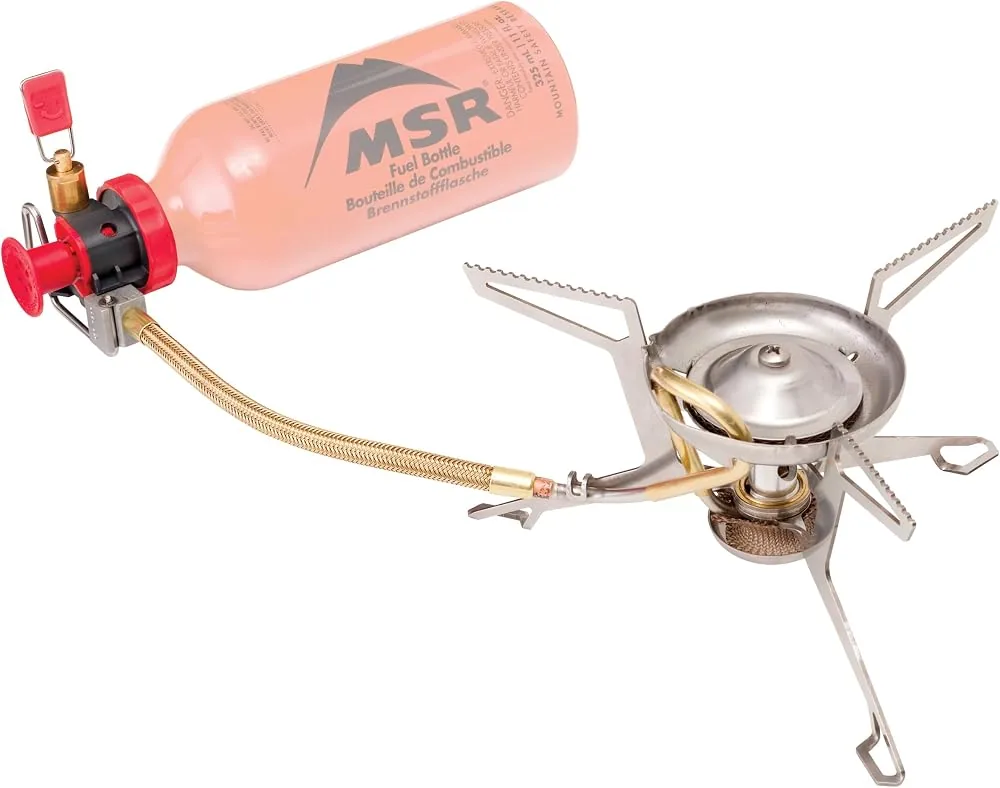
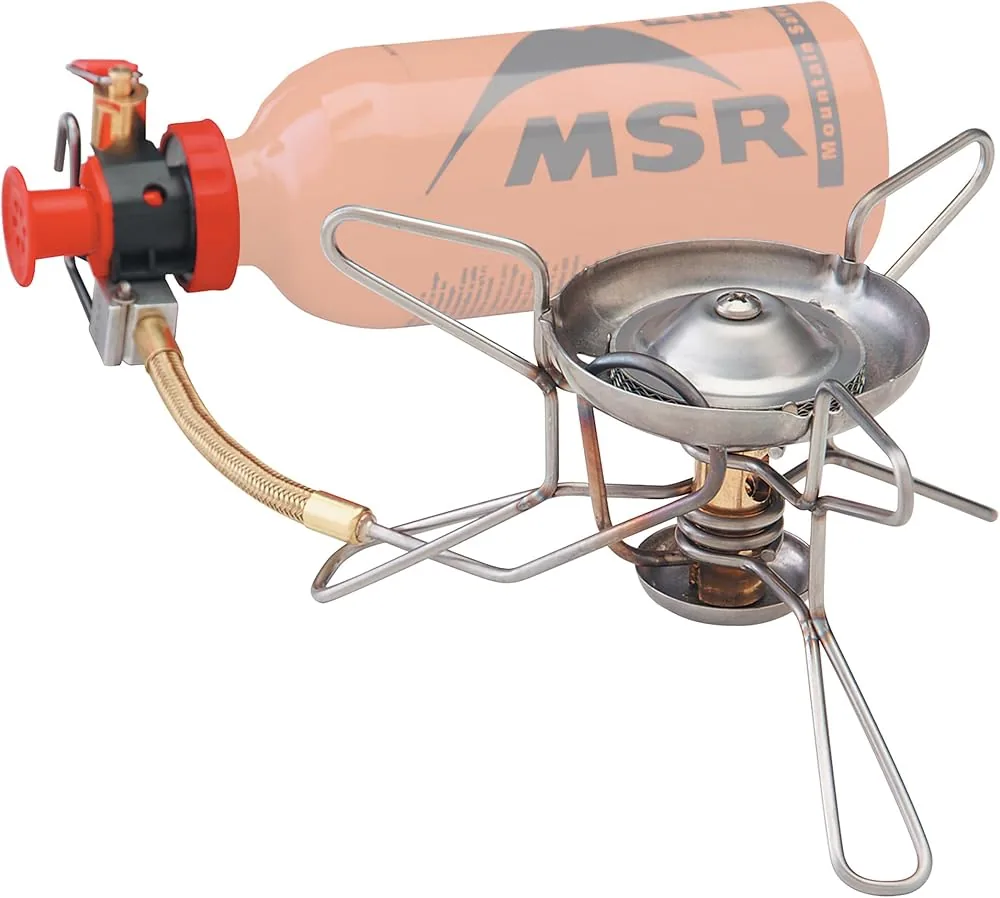
Liquid fuel stoves occupy the expedition-grade tier, burning white gas, kerosene, diesel, and even unleaded automotive fuel. This multi-fuel capability proves essential for international travel and extended wilderness trips where specialized fuel canisters may not be available. The remote-burner split design separates the fuel source from the heat source, enhancing both safety and cooking stability on uneven terrain.
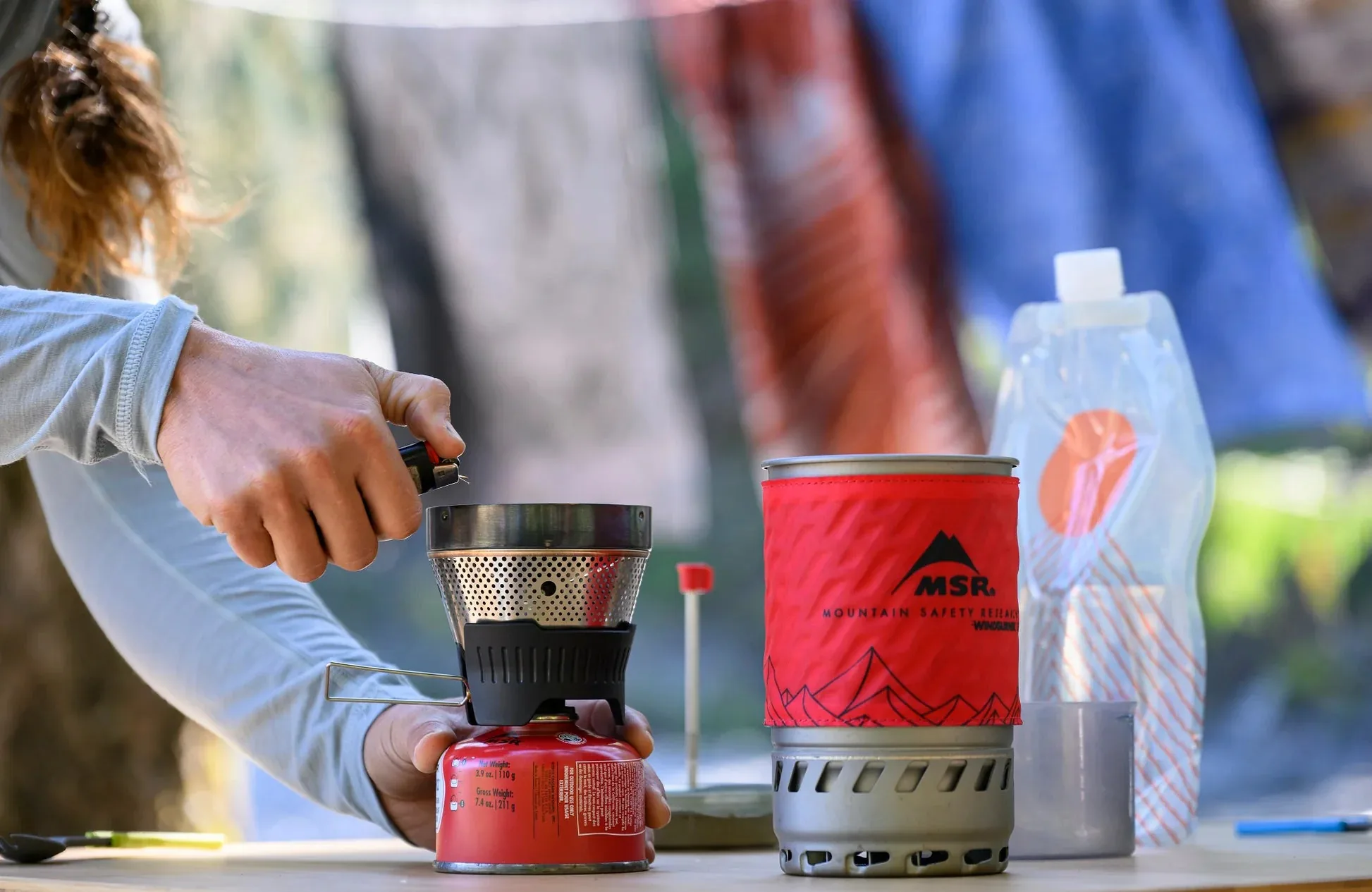
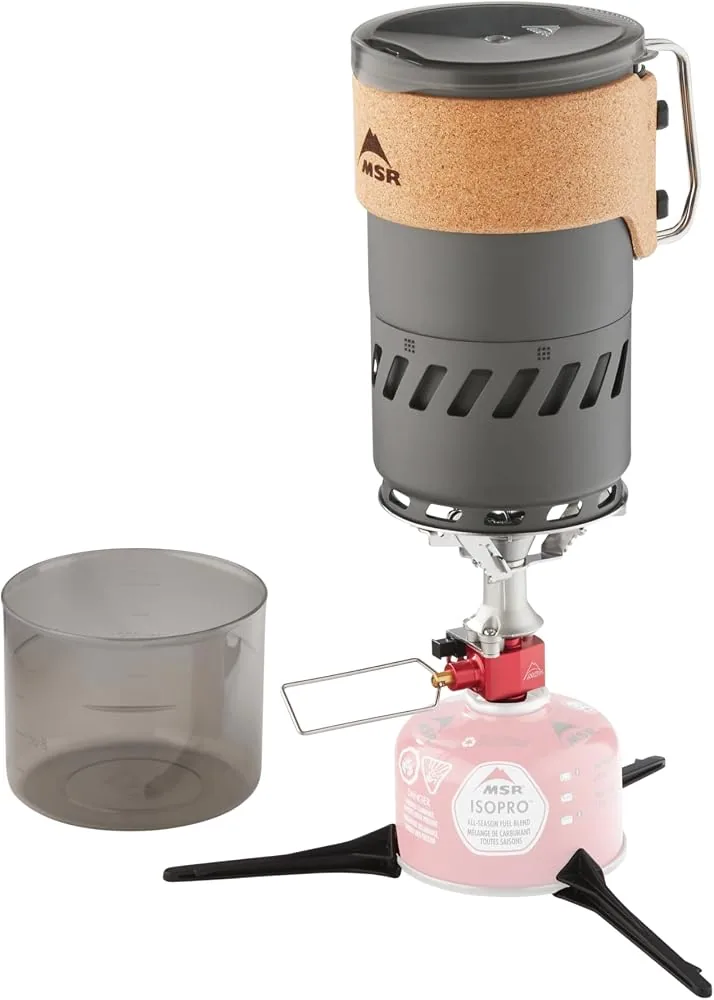
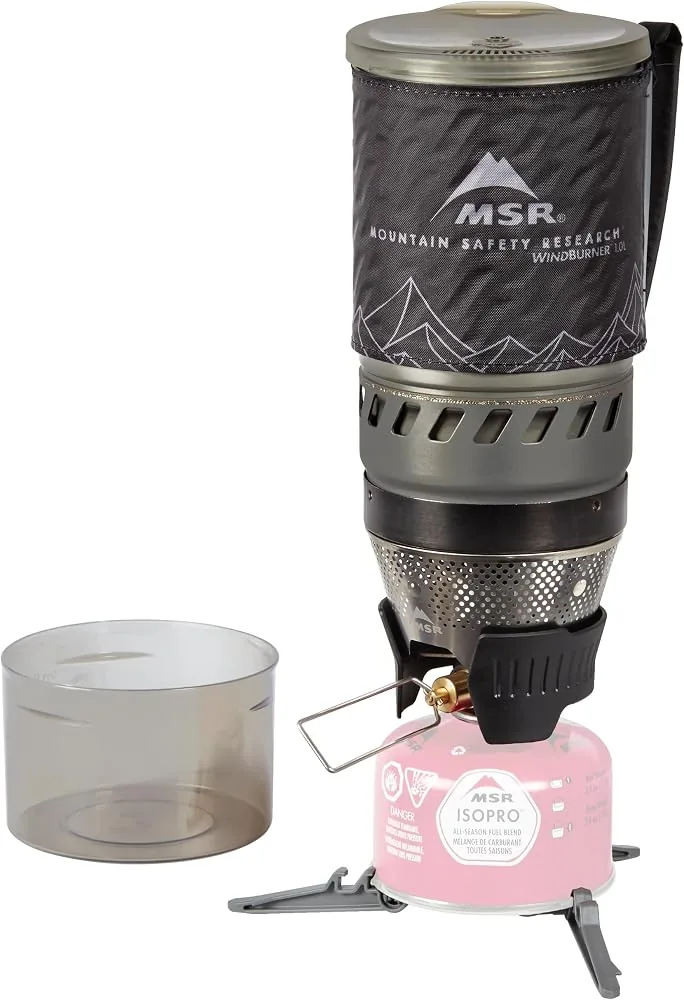
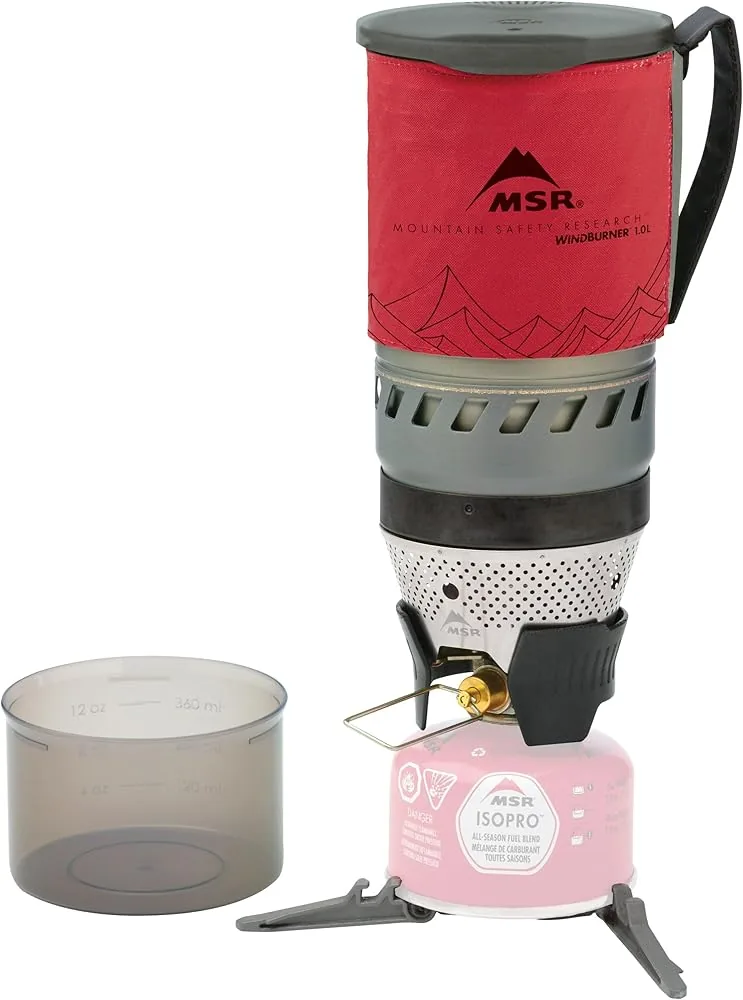
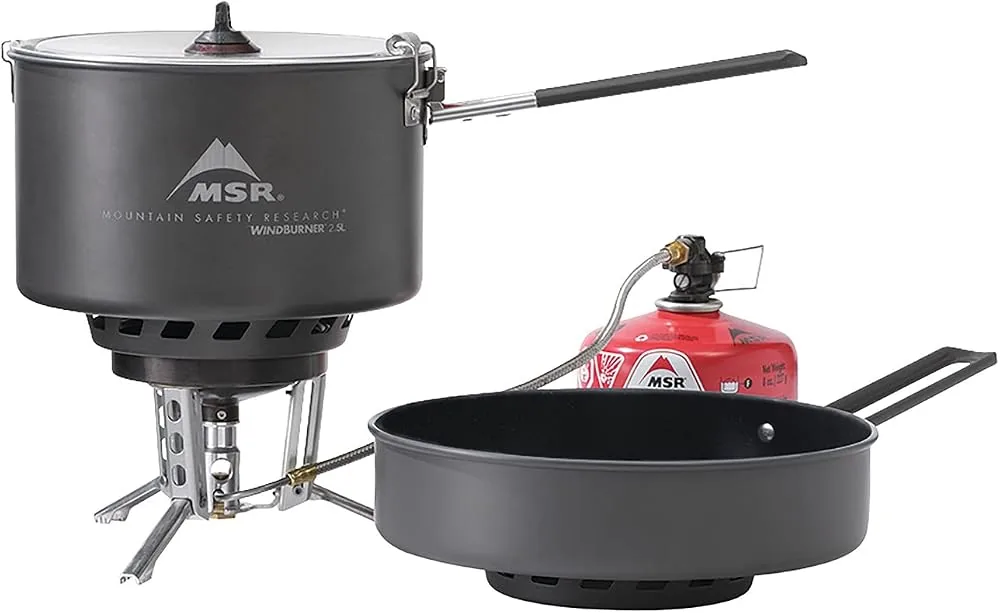
Integrated stove systems like the WindBurner and Reactor combine burner and pot into unified units optimized for windproof performance and maximum thermal efficiency. These systems excel in exposed alpine environments where traditional stoves struggle. Supporting all these options, the accessories category includes fuel bottles, IsoPro canisters, pumps, windscreens, and maintenance kits that keep every system operating at peak performance throughout years of demanding use.
Radiant Burner Technology and the Science of Windproof Performance
The engineering philosophy behind every burner traces back to solving one persistent challenge: maintaining consistent heat output in variable conditions. Radiant Burner Technology achieves this through 100% primary air combustion, a design approach that eliminates the flame-disrupting secondary air intake found in conventional stoves. The result is a burner that resists wind interference without requiring heavy external windscreens that add weight and complexity.
Pressure regulation represents another critical innovation. Traditional stoves lose heat output as fuel canisters deplete or temperatures drop, forcing longer cook times and increased fuel consumption. MSR's pressure-regulated systems maintain consistent flame strength from the first boil to the last, delivering predictable performance that expedition planners can factor into fuel calculations with confidence.
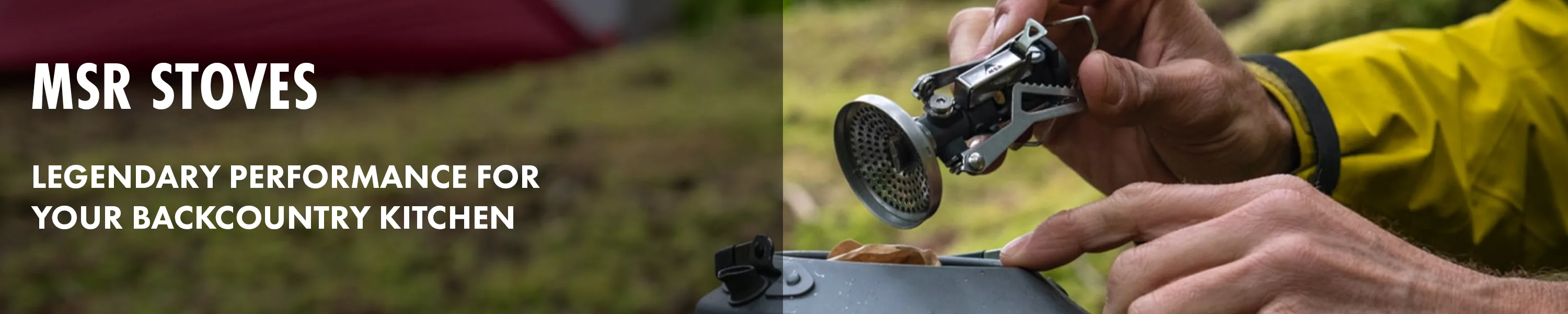
The Shaker Jet self-cleaning technology addresses field maintenance challenges that previously required tool kits and technical knowledge. A simple shake clears carbon buildup from the jet orifice, restoring full fuel flow without disassembly. This feature keeps stoves running efficiently throughout extended trips where access to repair facilities is measured in days or weeks, not hours. The engineering team continues refining these systems based on feedback from professional guides and sponsored athletes operating in the most demanding conditions worldwide.
MSR Stove Features That Define Backcountry Cooking Performance
- Radiant Burner Technology Delivers 100% primary air combustion for windproof operation without sacrificing fuel efficiency or requiring bulky external windscreens.
- Remote-Burner Split Design Separates the fuel source from the cooking surface, improving stability on uneven ground and reducing the risk of accidents during meal preparation.
- Multi-Fuel Capability Liquid fuel models accept white gas, kerosene, diesel, and unleaded automotive fuel, ensuring operability wherever travels lead.
- Shaker Jet Self-Cleaning Enables field maintenance of the fuel jet through a simple shaking motion, eliminating the need for tools or technical disassembly.
- Pressure Regulation Maintains consistent flame output regardless of canister depletion or cold temperatures, ensuring predictable boil times and fuel consumption.
- Ultralight Construction Canister stove models weigh as little as 2.6 ounces, making them among the lightest options available for weight-conscious backpackers.
Trail-Proven Favorites Trusted by Guides and Thru-Hikers
The WindBurner stove system has earned a devoted following among alpine climbers and winter campers who face relentless wind exposure. Its radiant burner sits enclosed within a proprietary heat exchanger pot, creating a self-contained cooking unit that boils water rapidly even when gusts would extinguish conventional flames. The system's efficiency translates directly to fuel savings on extended trips where every ounce of carried weight matters.
For expedition use and international travel, the WhisperLite series remains the gold standard. These liquid fuel stoves have been field-tested on every continent, proving their reliability from tropical jungles to polar ice caps. The WhisperLite Universal bridges both fuel types, accepting canisters for convenience when available while retaining liquid fuel capability for remote destinations. Guides leading commercial expeditions frequently standardize on WhisperLite models because their track record inspires client confidence.
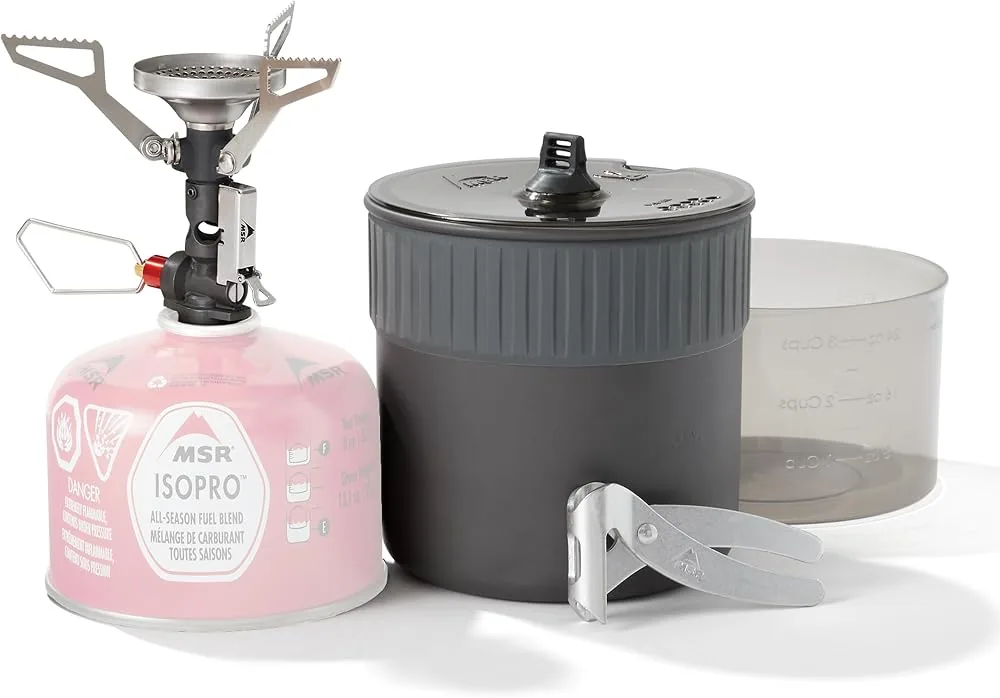
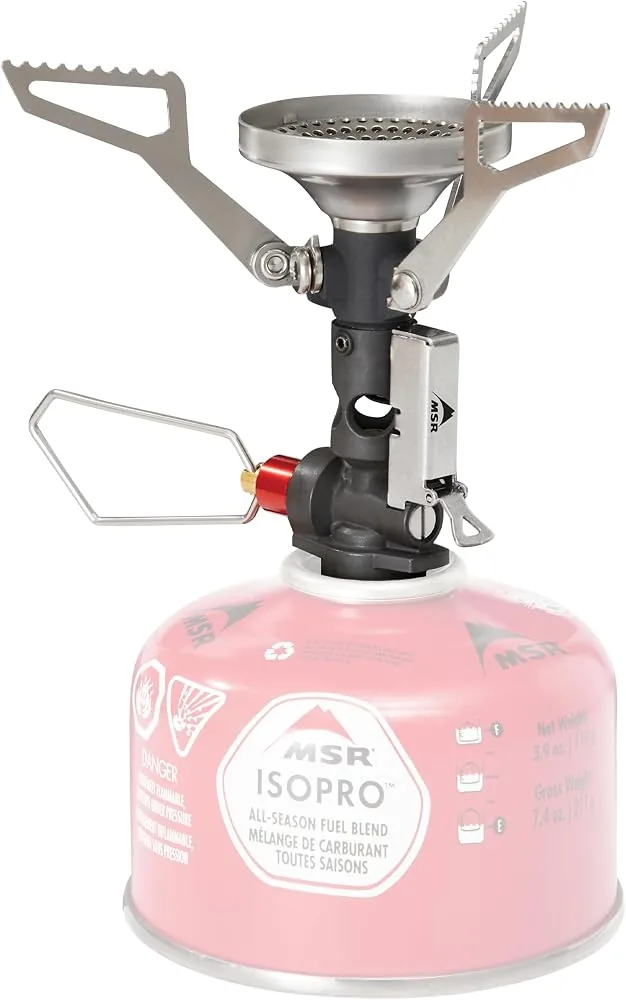
The PocketRocket series dominates the ultralight canister category, with the PocketRocket Deluxe adding pressure regulation and precision flame control to the original's minimalist design. Thru-hikers covering thousands of miles appreciate how these compact stoves disappear into cook kits while delivering reliable boiling performance at every campsite. The Reactor stove system targets mountaineers who need maximum efficiency at altitude, where its enclosed design thrives in conditions that defeat open-flame competitors.
Aircraft-Grade Aluminum, Stainless Steel, and Precision-Milled Components
Material selection begins with understanding the stresses backcountry stoves endure: thermal cycling, mechanical vibration, exposure to corrosive fuels, and the inevitable impacts of life inside a packed rucksack. Burner assemblies utilize stainless steel for its heat resistance and durability, while pot supports and frames incorporate aircraft-grade aluminum alloys that minimize weight without sacrificing structural integrity.
Fuel lines and O-rings face particular scrutiny because their failure would render the entire system inoperable. MSR specifies synthetic compounds engineered to resist degradation from petroleum-based fuels and the temperature extremes encountered between high-altitude cold and burner proximity. The company maintains rigorous quality control at its Seattle headquarters, testing components to failure thresholds well beyond normal use parameters.
Integrated stove systems feature hard-anodized aluminum cookware with non-stick coatings optimized for easy cleaning in field conditions where water is precious. Heat exchanger fins are precision-machined to maximize surface area contact with flame, capturing thermal energy that would otherwise dissipate into the air. These construction details reflect the engineering-first approach that has defined the brand since Larry Penberthy founded it over five decades ago. Every component earns its place through demonstrated performance, not marketing appeal.
Boiling Water in Blizzards: Real-World Results from Base Camp to Summit
Performance claims mean little without field validation, and MSR stoves accumulate testimony from some of the most challenging environments on the planet. Mountaineering expeditions routinely report successful snow-melting operations at altitudes above 20,000 feet, where reduced oxygen and extreme cold challenge both human physiology and equipment function. The pressure-regulated systems maintain boil times within acceptable ranges even as atmospheric conditions would cripple unregulated alternatives.
Durability extends beyond a single expedition. Guides operating commercially put their stoves through hundreds of use cycles per season, and MSR units consistently outlast the competition. The Shaker Jet technology prevents the gradual performance degradation that forces competitors into early retirement, keeping flame output strong throughout years of service. Replacement parts remain available for legacy models, reflecting the company's commitment to sustainable gear ownership rather than planned obsolescence.
Comfort factors into performance through flame control precision. The ability to simmer sauces and cook complex meals distinguishes premium stoves from bare-minimum boilers. Expedition teams spending weeks in the field benefit from menu variety that improves morale and nutrition. MSR's adjustable flame output enables everything from gentle rehydration to aggressive boiling, adapting to culinary requirements as conditions and ingredients permit. Users consistently report that their stoves feel like reliable partners rather than temperamental tools.
Operating Your MSR Stove for Maximum Efficiency and Longevity
- Prime Liquid Fuel Stoves Properly Open the fuel valve briefly to release a small amount of fuel into the priming cup, then ignite and allow the flame to preheat the generator tube before opening the valve for full operation.
- Shield Canister Stoves from Wind While Radiant Burner models resist wind, using natural terrain features or a lightweight windscreen improves efficiency and reduces fuel consumption significantly.
- Keep Canisters Warm in Cold Weather Sleep with fuel canisters inside your sleeping bag during cold nights to maintain internal pressure and ensure reliable ignition the following morning.
- Use the Shaker Jet Regularly Shake liquid fuel stoves before each use to clear potential carbon deposits from the jet, maintaining optimal fuel flow and flame quality.
- Store Stoves Dry and Depressurized After trips, burn off residual fuel, wipe down components, and store stoves in dry environments with pump pressure released to preserve O-rings and seals.
- Inspect Fuel Lines Seasonally Check fuel lines and O-rings for cracking or swelling before each season, replacing components proactively rather than troubleshooting failures in the field.
Understanding Fuel Types and Safe Operation in Variable Conditions
Fuel selection impacts both performance and safety. White gas burns cleanest and delivers maximum heat output, making it the preferred choice when availability allows. Kerosene and diesel produce more soot and require additional priming time but serve as reliable alternatives in regions where white gas is unavailable. Unleaded automotive fuel works in emergencies, though its additives accelerate carbon buildup and necessitate more frequent Shaker Jet maintenance.
Safe operation begins with site selection. Position stoves on stable, level surfaces away from tent walls, dry vegetation, and overhanging branches. Liquid fuel stoves should never be operated inside enclosed spaces due to carbon monoxide production and fire risk. Canister stoves produce cleaner exhaust but still require adequate ventilation. At altitude, the combination of hypoxia and subtle carbon monoxide exposure can impair judgment before symptoms become obvious.
Refueling requires particular attention. Never refuel a hot stove or near open flames. For liquid fuel models, depressurize the fuel bottle before disconnecting the pump assembly. Store spare fuel away from cooking and sleeping areas. Familiarize yourself with the specific O-ring and gasket inspection points for your model, as these components degrade over time and represent the most common failure points. The included maintenance kit addresses routine service needs without requiring specialized tools.
The Right Choice for Alpine Climbers, Thru-Hikers, and Expedition Teams
Ideal Users
- Thru-hikers covering 2,000+ mile trails
- Alpine climbers operating in exposed terrain
- Expedition leaders managing team nutrition
- International travelers facing variable fuel availability
- Winter campers melting snow for water
- Mountain guides requiring bombproof reliability
Use Case Priorities
- Fast boil times for efficient fuel use
- Windproof performance above treeline
- Multi-fuel flexibility for remote travel
- Ultralight weight for long-distance carries
- Field-serviceable design without tools
- Consistent output in extreme cold
Selecting the Right Stove Model for Your Adventure Style
Choosing between canister, liquid fuel, and integrated systems requires honest assessment of your typical trip profile. Three-season backpackers covering moderate mileage in established trail networks benefit most from canister stoves, which offer the best combination of low weight, instant ignition, and simple operation. If your trips rarely exceed a week and you resupply at towns where fuel canisters are available, the ultralight category delivers excellent value.
Liquid fuel stoves earn their additional weight and complexity when trips extend beyond two weeks, when travel takes you to international destinations with uncertain fuel availability, or when winter conditions drop temperatures below the efficient operating range of canister fuel. The initial learning curve for priming and maintenance pays dividends in versatility and long-term operating cost, as refillable fuel bottles eliminate the waste and expense of disposable canisters.
Integrated stove systems occupy a middle ground, targeting users who face wind exposure regularly but prefer the simplicity of canister fuel. The WindBurner and Reactor lines excel above treeline and in coastal environments where steady winds defeat open-flame designs. Their higher initial cost reflects the included cookware and superior efficiency, which reduces long-term fuel expenses on extended trips. Consider your most challenging anticipated conditions rather than average use when making this decision, since underspecified equipment fails exactly when reliability matters most.
MSR Stove Performance Compared to Leading Competitors
| Feature | MSR Stove | Jetboil Flash | Snow Peak GigaPower |
|---|---|---|---|
| Minimum Weight | 2.6 oz (PocketRocket 2) | 13.1 oz (system) | 3.0 oz |
| Multi-Fuel Capability | Yes (liquid fuel models) | No | No |
| Windproof Technology | Radiant Burner / Enclosed systems | Flux Ring (partial) | No |
| Field-Serviceable Jet | Shaker Jet self-cleaning | No | No |
| Pressure Regulation | Yes (select models) | Yes | No |
| Boil Time (1L) | 3.5 min (Reactor) | 4.25 min | 4.5 min |
| Cold Weather Performance | Excellent (to -40°F) | Good (inverted canister) | Fair |
| Warranty | Limited Lifetime | Limited Lifetime | Limited Lifetime |
Specifications represent manufacturer data for comparable models within each brand's lineup.
Cleaning, Storage, and Seasonal Maintenance for Peak Performance
Routine cleaning after each trip prevents the accumulation of debris that degrades performance over time. Wipe down burner assemblies with a dry cloth to remove food residue and dust. For liquid fuel models, burn off remaining fuel in the line before storage by allowing the stove to run until flame exhausts naturally. This prevents fuel from gumming inside the generator tube during storage periods.
O-ring maintenance extends system lifespan significantly. Apply a thin coat of the included lubricant to pump plunger O-rings before extended storage, which prevents the cracking that results from prolonged compression. Inspect the fuel line connection O-rings for swelling or deformation, replacing any that show wear before they fail during field use. MSR stocks replacement components for models dating back decades, supporting long-term ownership.
Seasonal preparation should include a full function test before the first trip of each year. Pressurize the pump, confirm fuel flow, and run the stove through its operating range to verify consistent flame output. Check pot supports for bent tines or loose fittings. For integrated systems, inspect the heat exchanger fins for damage that would reduce thermal efficiency. Store stoves in breathable bags rather than sealed plastic to prevent moisture accumulation. This proactive approach catches developing issues before they cause field failures during critical moments.